IAMGACAPromote / 08
Verbal Abuse
How harsh words wound children, and how to correct behaviour constructively.
Ghanaians Against Child AbuseA safer childhood, together
What is verbal abuse?
Verbal abuse is the repeated use of words to belittle, threaten, shame or frighten a child. It includes name-calling, insults, constant criticism, threats of harm or abandonment, and comparing a child unfavourably to others.
The effects of hurtful words
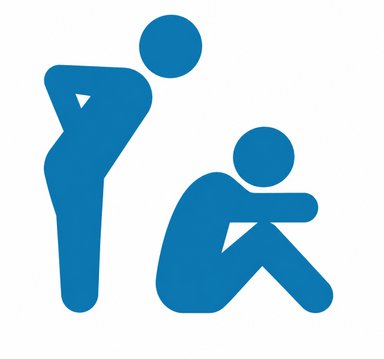
Words shape how children see themselves. Children who are regularly insulted or shamed may:
- Develop low self-esteem and believe they are worthless
- Experience anxiety, sadness or anger
- Struggle with friendships and trust
- Find it harder to concentrate and learn
Constructive correction
Children need correction — but correction can be firm without being cruel.
- Describe the behaviour, not the child. Say "Leaving your books on the floor is unsafe," not "You are so careless."
- Stay calm. Lower your voice rather than raising it.
- Explain what you expect and why.
- Recognise effort and improvement.
- Apologise when you get it wrong — it teaches children respect.
Every child deserves to be spoken to with dignity.